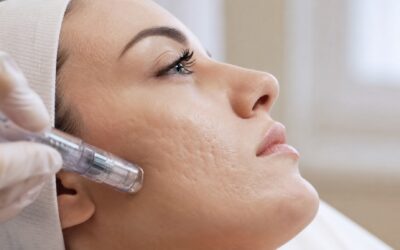
Booking an aesthetic treatment should feel like a confident step toward self-care, not a gamble with your health. The industry has grown fast, and that growth has blurred the line between clinical care and casual beauty services. It’s harder now to tell a qualified provider from a marketing-savvy amateur. Learning how to choose a medspa means looking past polished Instagram feeds and promotional discounts, and evaluating the medical infrastructure that actually keeps you safe.
This guide covers seven evaluation points to help with that search. Think of them less as a shopping checklist and more as risk-mitigation tools, built to protect you while you go after the results you want.
Why Licensed Medical Aesthetics Matter More Than Price
State medical boards are consistent on this point: aesthetic injections are medical procedures that require direct physician supervision, not cosmetic services you can shop around for. Injectables and energy-based devices carry real risks, and managing them takes clinical judgment, anatomical expertise, and emergency preparedness. Choose price over licensure and you accept a higher level of risk. No amount of post-treatment skincare reverses that.
The Risks of Unlicensed Injectables
Peer-reviewed dermatology research points to a clear pattern: complication rates for injectables rise when an unlicensed or inadequately supervised practitioner administers them, compared with a board-certified provider. Vascular occlusion, nerve damage, and severe allergic reactions show up more often where medical oversight is thin or exists in name only. Fixing those complications usually costs far more than the discounted procedure did, in money and in stress.
What Medical Supervision Actually Means
Real supervision means a physician evaluates patients, sets protocols, and stays available to manage adverse events as they happen. It does not mean a doctor’s name sits on paperwork while they practice somewhere else, unreachable during your appointment. You deserve a qualified medical professional who is actually present and accountable for every treatment.
Is This Medspa Safe? Verifying Credentials and Oversight
Safety isn’t a vague promise. It’s a verifiable standard built on transparency and documentation. A legitimate facility hands over license numbers and explains its chain of command without hesitation, because it has nothing to hide. Confirm these details before any needle touches your skin.
Confirming Physician Presence On-Site
Ask directly whether a supervising physician is physically present during your appointment, and what their role is in daily operations. Then verify it yourself through your state medical board’s online database rather than taking a verbal answer at face value. If the answer is evasive, or the physician can’t be reached during business hours, treat that as a red flag.
Checking Practitioner Licensure and Training
Ask for the specific credentials and training of the person who will actually perform your treatment, not just the facility’s general licenses. Nurses, nurse practitioners, and physician assistants need active state licenses, and documented training in each procedure they offer. Our licensed medical staff runs a full consultation to match every treatment to your health profile and goals before anything begins, and that’s a standard worth expecting everywhere.
Medspa vs Spa Difference: Understanding the Scope of Care
A traditional day spa offers relaxation, massages, facials, in a non-clinical setting with no medical oversight or emergency equipment on hand. A medical spa performs regulated procedures, and that requires clinical protocols, sterile technique, and immediate access to emergency medications and resuscitation equipment. This medspa vs spa difference is what determines whether a venue is legally and clinically equipped for the treatments you actually want.
Understanding that distinction lets you rule out the wrong venues before you even book a consultation. If a facility can’t clearly explain its clinical safety standards, or has no visible emergency preparedness, it may be operating outside its scope, no matter how nice the décor looks.
Questions to Ask Before Botox and Injectable Treatments
The right questions to ask before Botox reveal a provider’s commitment to safety far better than generic reassurance does. A clinic that walks you through a thorough pre-treatment discussion is telling you it cares about outcomes over volume, and treats informed consent as an ongoing conversation, not a signature line. You should leave every consultation understanding both the benefits and the risks of the treatment you chose.
Product Authenticity and Storage Protocols
Confirm that injectable products are FDA-approved, come from authorized distributors, and are stored to the manufacturer’s specifications. Ask about reconstitution practices too, and whether the clinic uses single-dose vials or multi-dose containers across different patients. When comparing neuromodulator options, these supply chain details matter as much as the clinical differences between brands.
Managing Expectations for Results and Downtime
Ask for honest timelines: when results show up, how long they last, and which recovery symptoms are normal versus concerning. A reputable provider explains side effects without downplaying them, and hands you clear written aftercare instructions built around your specific treatment. That transparency is what lets you tell expected healing apart from a complication that needs attention.
Evaluating Treatment Plans and Personalized Recommendations
Facial anatomy, skin quality, and medical history vary a lot from person to person, so personalized planning isn’t a luxury, it’s what keeps the outcome safe. A cookie-cutter approach misses contraindications and misses the chance to combine treatments safely for better results. Your plan should reflect your own physiology, not a standard package built for maximum throughput.
Avoiding One-Size-Fits-All Approaches
A reputable provider runs a full skin assessment and medical history review before recommending anything. They explain why a given treatment fits your concerns, and they discuss alternatives when it makes sense, such as choosing between skin rejuvenation modalities based on your skin type and how much downtime you can tolerate. If the consultation feels rushed, or the recommendation feels decided before you walked in, get a second opinion.
Understanding Follow-Up and Aftercare Support
Good care doesn’t stop when you leave the treatment room. It includes accessible follow-up and clear guidance for managing recovery at home. Ask how the clinic handles post-procedure concerns, whether follow-up visits are included, and what actually counts as an after-hours emergency. How a clinic answers those questions tells you whether its responsibility to you ends at the door or keeps going.
Anyone weighing dermal fillers should also look at realistic pricing for filler treatments early in the planning process. Knowing the real numbers upfront keeps surprise costs off the table, so your decisions come from clinical need rather than budget pressure.
Reviewing Before-and-After Photos and Patient Testimonials
Portfolio images should show consistent lighting, the same angles, and realistic timelines, not a handful of cherry-picked best cases dressed up with filters or flattering positioning. Authentic testimonials tend to mention specific staff members and specific experiences, not generic praise that could describe any business. Look closely at these materials and you’ll see whether a clinic’s actual results match what it markets.
Look for patterns across multiple patients who share your demographics and concerns. One stunning result proves very little; consistent outcomes across different cases suggest a technique and protocol that actually hold up. Even the best providers can’t guarantee identical results for every patient, so a portfolio implying otherwise is worth a second look.
Trusting Your Instincts During the Consultation Process
Discomfort during that first interaction is real data, not nerves you should talk yourself out of. Pressure tactics have no place in ethical medical practice, and they signal that revenue matters more than your well-being or your consent. Treat the consultation as a two-way interview: you’re assessing communication and transparency right alongside technical qualification.
If something feels wrong, it probably is. Walk away if your questions get defensiveness instead of answers, if upselling crowds out education, or if you feel rushed toward booking before you’re ready. For expert injectable care in Bonita Springs, The Rolling Stone MedSpa welcomes that scrutiny, and invites you to see what licensed medical aesthetics look like when safety and personal attention come first.