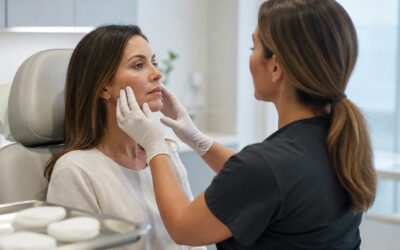
Searching for filler dissolving near me usually means you’re anxious, not just curious. Maybe your results shifted, settled unevenly, or simply stopped matching your face the way you’d hoped. The urge to fix it fast is understandable. But reversing dermal filler is a medical procedure, and it demands the same clinical rigor as the original injection. Hyaluronidase isn’t a cosmetic product you can safely source outside a regulated medical setting. Trying to correct complications without professional oversight adds risk on top of the problem you already have.
The Rolling Stone MedSpa offers medically supervised correction services built to restore both your appearance and your peace of mind. Our licensed medical staff approaches every reversal case with safety, anatomical precision, and realistic outcomes in mind. Here’s what safe filler correction actually involves, so you can decide your next step with real information.
Why Safe Filler Dissolving Requires Medical Expertise
Hyaluronidase is a prescription-only enzyme, and using it safely takes precise anatomical knowledge. Get the dose or the placement wrong and you risk tissue necrosis or permanent scarring. That reality is what separates legitimate medical correction from unregulated services that advertise lower prices but can’t guarantee safety. When you’re researching filler dissolving near me, qualification should always outweigh convenience or cost.
Risks of Unlicensed Hyaluronidase Injections
Unregulated practitioners often lack access to pharmaceutical-grade hyaluronidase, let alone the training to use it. The enzyme works fast and indiscriminately on hyaluronic acid. Injected incorrectly, it will dissolve your natural tissue stores right alongside the filler. Blind injections in high-risk zones like the glabella or nasolabial folds can compromise blood supply and lead to skin death that needs surgical reconstruction. Non-medical providers also typically lack the emergency medications and protocols to manage allergic reactions, which can happen even after a patch test.
The Role of Licensed Providers in Filler Correction
Licensed medical professionals know the three-dimensional vascular map of the face and can work around critical structures during dissolution. Before they touch a needle to your skin, they assess the filler type used previously, how long ago it was injected, and how well it has integrated into the tissue. Our licensed medical staff at The Rolling Stone MedSpa perform all filler corrections under direct clinical supervision to keep patients safe during reversal. That oversight means every dose gets calculated for your specific presentation, not a generic protocol, protecting your long-term tissue health while it addresses the look you came in for.
Understanding Hyaluronidase Treatment for Filler Reversal
You deserve to know exactly how this enzyme interacts with your body before you consent to a corrective injection. Understanding the process tends to ease the nerves that come with reversing a previous treatment.
How the Enzyme Breaks Down Hyaluronic Acid
Hyaluronidase works by breaking the glycosidic bonds that hold hyaluronic acid molecules together, which liquefies the gel. It only works on hyaluronic acid-based fillers. It has no effect on biostimulators like Sculptra or Radiesse, which need entirely different management. The enzyme starts working on contact, though visible reduction usually takes twenty-four to forty-eight hours as your body clears the broken-down material. Precise dosing matters because the enzyme can’t tell the difference between the filler and your own native hyaluronic acid, which is why conservative titration is the standard of care.
What to Expect During a Dissolving Session
A consultation always comes before the injection, to check tissue quality, talk through your goals, and rule out contraindications in your medical history. The provider may massage the area first to map lumpiness or migration before marking injection points. Numbing cream or local anesthetic is typical, since hyaluronidase injections sting differently than standard filler placement. Most sessions run under thirty minutes. Complex cases involving multiple areas or severe migration may need staged treatments spaced weeks apart, so tissue can recover between doses.
Common Reasons Patients Seek to Fix Bad Filler
Patients seeking to fix bad filler often show up with migrated lip filler creating a “duck lip” look, or with palpable nodules from filler placed too close to the surface. Those concerns are valid and treatable, but they’re only part of why someone needs hyaluronidase.
Migration, Lumps, and Overcorrection
Filler migration happens when product moves past its intended boundary, because of muscle movement, too much volume, or placement at the wrong depth. Lip borders are especially prone to this: the orbicularis oris muscle constantly compresses the area, pushing soft gel up into the philtrum over time. Superficial lumps often come from injecting too close to the skin, or from product that never integrated properly at the first session. Overcorrection creates an unnatural fullness that throws off facial proportions. Some swelling resolves on its own, but persistent excess volume needs enzymatic reduction to bring things back into balance.
Vascular Complications and Emergency Dissolving
Vascular occlusion from dermal filler is rare, but when it happens it needs hyaluronidase within hours to prevent irreversible skin necrosis. Watch for blanching or whitening of the skin, pain that’s out of proportion to normal injection discomfort, mottled discoloration that spreads like a rapidly worsening bruise, and coolness in the area. If you notice these signs after filler anywhere, go to emergency care right away. Don’t wait for a scheduled appointment. In a vascular emergency, time is tissue, and delayed treatment can mean permanent scarring or lost structural integrity that no amount of filler afterward can hide.
Finding Qualified Filler Dissolving Near Me
Proximity matters when you’re distressed about how you look, but it should never outrank provider qualification when you’re correcting an injectable complication. The right clinic balances easy access with verifiable medical standards that protect you at a vulnerable moment.
Credentials That Signal Safety and Competence
Look for providers with active medical licenses, whether physicians, nurse practitioners, or physician assistants, and documented injectable training. Board certification in dermatology, plastic surgery, or otolaryngology signals advanced anatomical education relevant to facial aesthetics. Experience with hyaluronidase specifically is different from general filler skill, so ask directly how many correction cases they’ve handled and how they’ve managed complications. Clinics working under direct physician supervision, with emergency equipment on site, show an institutional commitment to safety that a standalone esthetician practice simply can’t match. For more on evaluating credentials, our resource on vetting qualified medspa providers breaks down specific questions to ask during consultations.
Questions to Ask Before Booking a Correction Consultation
Ask whether the provider stocks hyaluronidase in multiple concentrations, so they can adjust dosing precisely during your session. Ask about their protocol for allergic reactions, and whether they run test doses for patients with known sensitivities. Ask to see before-and-after photos of dissolution cases specifically, not just initial filler placements, since correcting filler is a different skill than adding it. Clarify what follow-up care is included; most reversals need at least one reassessment visit to check whether more treatment is needed. And confirm they’ll communicate with your original injector when possible, since knowing what product was used and where changes the treatment plan.
Recovery Timeline and Aftercare for Dissolved Filler
Recovery from hyaluronidase is generally quick when a skilled clinician respects the tissue’s limits. Most patients are back to normal activities within days, though healing time varies with how much was treated and your own physiology.
Swelling and tenderness at the injection sites usually peak in the first forty-eight hours, then ease over the following week. You might notice temporary unevenness as the enzyme works at different speeds across treated areas. That’s normal, not a sign anything went wrong. Skip strenuous exercise, heat exposure, and alcohol for at least forty-eight hours to keep inflammation and bruising down. Gentle lymphatic massage may be recommended once the initial swelling passes, to help move remaining fluid along, but don’t work the area aggressively without your provider’s say-so. Call your clinic right away if you notice increasing redness, warmth, pus, or fever, since those point to infection rather than normal post-procedure swelling. Give it at least two weeks before judging the final result, so the edema fully resolves and you can see the actual remaining filler volume.
Cost Considerations for Filler Correction Treatments
Pricing for hyaluronidase treatment reflects clinical complexity, not the simple per-syringe math used for initial filler. Knowing the variables helps you set realistic expectations for budgeting a safe correction.
Enzyme dosage needs vary a lot depending on the filler type, how old it is, and how much it has integrated with the surrounding tissue. Older, more integrated filler often takes higher cumulative doses across multiple sessions, compared with recently placed product that’s still relatively discrete. Complexity rises fast when you’re dealing with vascular complications or migration spread across several areas. Follow-up visits are often necessary and may or may not be built into the initial price, so ask upfront to avoid a surprise bill later. Location and provider expertise affect the fee too, but choosing on price alone risks making the original problem worse. For context on how correction costs stack up against the initial investment, our breakdown on understanding initial filler investment shows why proper technique the first time is cheaper than repeated reversal.
Preventing Future Filler Issues Through Expert Care
Correction fixes what already went wrong. Prevention protects what happens next, and cuts your long-term treatment burden. A relationship with a conservative, medically trained injector lowers the odds you’ll need hyaluronidase again.
Choosing Conservative Injection Techniques
Skilled providers favor gradual enhancement over dramatic transformation, adding volume in stages across sessions rather than chasing maximum results in one visit. They choose filler based on your tissue and the anatomical location, and they avoid overly soft gels in high-mobility areas prone to migration. Placement depth matters enormously: deep supraperiosteal placement gives structural support that resists displacement better than a superficial dermal injection does. Conservative practitioners also know when to say no, because more filler would compromise your proportions rather than enhance them. That restraint is a better sign of expertise than a willingness to say yes to every request.
When to Schedule Follow-Up Assessments
Schedule a reassessment two to four weeks after any filler treatment, to evaluate the settled result before adding more volume. Early follow-ups let a provider make small adjustments while the product is still malleable, before a minor issue turns into a major correction. Annual reviews help track how your face ages and how the filler is holding up, so care stays proactive instead of reactive. Sticking with one provider means someone knows your full treatment history and can spot the subtle shifts that signal a problem starting. Those seeking local injectable expertise in Bonita Springs can build that relationship with our team, and aim for results that hold up rather than a quick fix.
Safe filler correction starts with choosing a provider who takes dissolution as seriously as they take enhancement. Book a consultation with our licensed medical team to assess your filler correction needs and talk through safe hyaluronidase options for your specific situation.