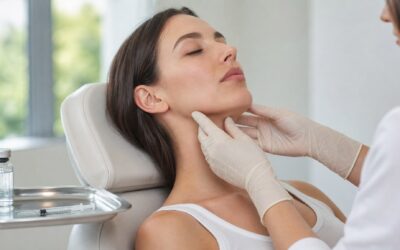
Smooth, refreshed skin after neurotoxin treatment depends on more than the injection itself. How you care for your face in the days that follow plays a real part in your final outcome. The procedure is quick and minimally invasive, but the neurotoxin needs time to bind within the targeted muscles, and certain everyday habits can interfere with that settling process. Knowing what to avoid after Botox is what keeps your results safe, symmetrical, and long-lasting.
Immediate Post-Treatment Precautions for Optimal Results
The first four hours after your appointment matter most for preventing unintended product migration. Licensed medical providers advise against putting pressure on injection sites for at least four hours, since pressure can push neurotoxin into muscles it was never meant to reach, causing temporary asymmetry or drooping. Stay upright during this window, and resist the urge to touch, rub, or massage the treated areas even if they feel tender or look a little red from the needle marks.
Gravity and external pressure are the main threats to fresh injectables, so keeping your head above heart level helps the product stay exactly where your provider placed it. Makeup applied right after treatment adds both pressure and a small infection risk, so it’s worth arriving with a clean face and waiting until the next morning to resume your full routine. These first few hours set the foundation for a clean, precise result.
Physical Activity Restrictions and Exercise Guidelines
Strenuous activity raises your heart rate and blood flow, and that can increase bruising risk and even displace product if it happens within 24 hours of treatment. Patients often ask whether they can exercise after Botox, and the honest answer depends on intensity. A gentle walk is generally fine. High-intensity interval training, heavy weightlifting, and hot yoga should wait a full day, since elevated blood pressure pushes blood through the capillaries around injection sites and raises the odds of visible bruising and swelling that can take weeks to fade.
Inverted positions like downward dog or headstands pull against the intended placement of the neurotoxin. Your body needs a brief stretch of calm for the toxin to bind to the nerve endings without circulatory surges getting in the way. Jumping back into your normal workout routine too soon won’t make results last longer, but it can compromise the symmetry you paid for.
Heat Exposure and Environmental Factors to Skip
Heat widens blood vessels and adds inflammation to tissue that’s already healing from micro-injuries. Saunas, steam rooms, hot tubs, tanning beds, and long stretches in direct sun should wait 24 to 48 hours to keep swelling down and make the early recovery period more comfortable. Heat won’t make the product work faster. It just makes the redness and puffiness of those first few days worse than they need to be.
Watch for environmental heat sources too, like a hair dryer on high or cooking over an open stove burner without ventilation. Keeping your facial temperature steady lets the skin barrier repair itself without the extra strain of regulating heat. This matters even more if you have sensitive skin or are prone to rosacea, since heat-induced flushing can linger longer on top of fresh injection trauma.
Skincare Products and Facial Treatments to Pause
Active ingredients that speed up cell turnover or cause irritation need to come out of your routine for a bit, to protect the injection sites. Retinoids, alpha hydroxy acids, beta hydroxy acids, and vitamin C serums can increase sensitivity and inflammation, so pause them for three to five days or until your provider clears you to start again. A mild, non-exfoliating cleanser is fine, applied with a light touch so you don’t shift the product sitting beneath the skin.
Professional facials, microneedling, chemical peels, and deep massage are off the table for at least two weeks. These treatments manipulate or penetrate the skin in ways that can disrupt the neurotoxin’s binding process or introduce bacteria to healing puncture points. If you’re weighing other aesthetic services, understanding the differences between neurotoxin options and complementary treatments helps you schedule them without overlapping recovery windows.
This aftercare protocol doesn’t replace a professional assessment if something feels wrong, and it doesn’t guarantee identical results for every individual’s metabolism.
Understanding the Botox Side Effects Timeline
Mild redness, small raised bumps at the injection points, and slight tenderness are normal and usually fade within a few hours to two days. These are signs the skin is healing from the needle, not that anything is wrong with the product. Bruising can show up within the first 48 hours and take up to two weeks to fully fade. That’s why patients planning treatment before a big event often book two weeks out, giving any minor swelling or bruising time to clear.
True complications are rare under an experienced clinician, but they need prompt attention if they happen. Severe pain, vision changes, difficulty swallowing, or muscle weakness spreading beyond the treatment zone are not part of normal recovery and call for immediate medical evaluation. Knowing the difference between expected healing and a real problem is part of why choosing licensed Botox providers in Bonita Springs matters for your safety.
Supporting Recovery With Professional Guidance
Recovery isn’t just about avoiding the wrong things. It’s about actively supporting your body’s healing through informed choices and professional oversight. Our licensed medical staff gives personalized aftercare instructions based on your treatment areas and lifestyle, so generic advice never stands in for judgment specific to your anatomy. Follow-up visits let your provider check how the neurotoxin has settled and catch any subtle asymmetry before it becomes a concern.
Some wellness treatments can ease your recovery without interfering with how the neurotoxin works. Supportive hydration therapy, for example, supports overall wellness and skin health without putting pressure or heat on the face, which makes it a safe addition to your aftercare plan. Staying in touch with your medical team turns recovery from a waiting game into an active partnership.
Planning Your Next Treatment for Sustained Results
Neurotoxin results typically last three to four months, and how closely you follow aftercare, along with your own metabolism, shapes both how long they last and how happy you are with them. Consistent aftercare reduces cumulative inflammation and tissue stress, which gives future treatments a more stable canvas and can help each session last a little longer. Waiting until movement fully returns before rebooking tends to create gaps in coverage, while scheduling proactively around your own wear pattern keeps results consistent.
Season matters too. Knowing the optimal timing for Botox treatments lets you line up appointments with lower sun exposure and fewer social commitments, which makes the heat and activity restrictions easier to live with. Treat aftercare as part of your long-term plan rather than a short-term inconvenience, and each treatment builds on the last toward results that look like you, just rested.
Frequently Asked Questions About Botox Aftercare
Can I drink alcohol after receiving Botox injections?
Alcohol acts as a blood thinner and vasodilator, which significantly increases the risk of bruising and swelling at injection sites. Most medical providers recommend abstaining for at least 24 hours before and after treatment to minimize these vascular side effects. If you consumed alcohol prior to your appointment, inform your provider so they can adjust their technique or reschedule if necessary.
When will I see the full results of my Botox treatment?
Initial effects typically begin appearing within three to five days, but peak results develop gradually over ten to fourteen days as the neurotoxin fully binds to nerve endings. Assessing your outcome before the two-week mark can lead to premature concern about efficacy or symmetry. Schedule any follow-up appointments no sooner than fourteen days post-treatment to allow the product to reach its maximum effect.
Is it safe to fly or travel immediately after Botox?
Air travel itself does not affect Botox results, but the cabin pressure changes and dehydration associated with flying can exacerbate swelling and discomfort. Staying well-hydrated and avoiding alcohol during flights helps mitigate these effects, though some providers prefer you wait 24 hours before flying to monitor for immediate reactions. Always confirm with your treating clinician if your travel plans involve long-haul flights shortly after treatment.
What should I do if I notice asymmetry after two weeks?
Minor asymmetry can sometimes resolve on its own as the product fully integrates, but persistent unevenness after fourteen days warrants a follow-up visit with your provider. A touch-up appointment allows precise correction using small additional units rather than starting over or waiting for complete wear-off. Never attempt to self-correct by massaging or manipulating the area, as this risks migrating product into adjacent muscles.