Choosing the right provider for aesthetic injectables takes more than comparing prices or scrolling through social media. When you search for a Botox MedSpa in Bonita Springs, you’re looking for a partner in your long-term facial health and aesthetic confidence. The Rolling Stone MedSpa provides all injectable treatments under licensed medical staff supervision, prioritizing safety and personalized care. That medical foundation is what separates professional treatment from unregulated alternatives, and it’s how your results end up matching your own anatomy instead of a generic template.
Why Medical Supervision Matters for Botox Treatments
Botox Cosmetic has been FDA-approved for temporary improvement of moderate to severe glabellar lines since 2002, and it remains one of the most studied aesthetic injectables available. Despite that safety record, it’s still a prescription medication. It demands precise dosing and real anatomical knowledge to avoid complications or results you’re not happy with. You deserve a provider who understands the muscles underneath your skin, not one who just follows a standardized injection map.
The Role of Licensed Providers in Safe Injectables
Board-certified dermatologists and plastic surgeons consistently say that an injector’s knowledge of anatomy matters more than the brand of product they use when it comes to natural-looking results. A licensed medical professional evaluates your facial structure dynamically, watching how your muscles move during expression before deciding where to inject. That kind of clinical assessment is what prevents the common problems, like brow heaviness or asymmetry, that show up when a provider hasn’t had comprehensive training. Medical oversight also means the product itself is authentic and properly stored, sourced directly from authorized distributors.
Risks of Unlicensed or Non-Medical Settings
Non-medical venues often lack the sterile protocols, emergency equipment, and prescription authority that safe injectable administration requires. Patients who choose medically supervised medspas report higher satisfaction, and it comes down to comprehensive consultations, sterile environments, and access to prescription-grade products. Unlicensed settings can’t offer any of that. They may use diluted, counterfeit, or improperly handled toxins, and that carries real health risks. Choosing a licensed facility protects you from damage that no amount of corrective treatment can fully undo.
What to Expect During Your First Botox Consultation
Your first visit should feel like a conversation, not a transaction. A reputable Botox MedSpa in Bonita Springs gives this time to understanding your concerns, with no pressure to commit on the spot. That low-pressure setting is what lets you ask questions and voice any hesitations before treatment even begins.
Medical History and Aesthetic Goal Assessment
A thorough medical screening identifies contraindications and sets a baseline for safe treatment planning. Your provider reviews your current medications, any previous aesthetic procedures, and neuromuscular conditions that could affect how you metabolize the toxin or how well it works. This is also where you talk through your specific goals, so your provider can tell the difference between what’s realistic and what might need a different approach entirely. Honest conversation here is what prevents overtreatment, and it’s why your results end up enhancing your natural appearance instead of changing it.
Personalized Treatment Planning
Every face moves differently, so your treatment plan has to reflect your own muscle strength and skin quality. Your provider maps injection points based on the movement patterns they observed during your consultation, not a generic protocol. That customization is what determines both dosage and placement, aiming for smoothing that looks balanced and natural. Before you leave, you should have a clear picture of what the treatment will and won’t address.
How to Evaluate a Botox MedSpa in Bonita Springs
Verifying credentials takes a few minutes and can save you years of regret. Start by confirming active state medical licenses and board certifications through official regulatory databases, not just the clinic’s own marketing. That kind of checking is what separates legitimate medical practices from businesses operating outside their scope.
Verifying Credentials and Facility Standards
Look for facilities that maintain hospital-grade sterilization and keep licensed medical staff on-site during all operating hours. Accreditation from recognized aesthetic organizations signals that a practice is holding itself to standards beyond the legal minimum. Ask directly who performs the injections and what medical oversight is in place during your appointment. A transparent practice welcomes these questions; an evasive one is a red flag.
Assessing Patient Reviews and Before-and-After Galleries
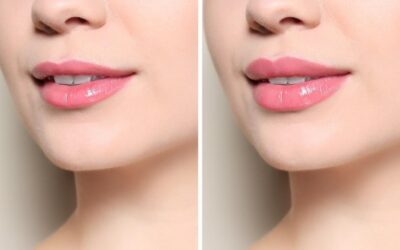
Consistent, high-quality results across many patients point to real injector experience, not luck. When you look at before-and-after photos, check for natural proportions and preserved expression rather than complete immobility. Read the reviews that mention how thorough the consultation was, whether there was follow-up, and how complications were handled. Those details tell you about operating standards in a way glossy marketing photos never will.
Understanding Botox Results and Maintenance Schedules
Knowing the real timeline ahead of time stops a lot of unnecessary worry during the onset period. Most patients notice initial smoothing within three to five days, with full effects developing over two weeks. Results typically last three to four months, though it varies from person to person.
Typical Timeline for Onset and Duration
The gradual onset reflects how neuromodulation actually works biologically, not a failed treatment. Peak effect lands around day fourteen, which is why a good provider schedules your follow-up around then, to check symmetry and make small adjustments if needed. Duration averages twelve to sixteen weeks as nerve terminals regenerate and muscle activity slowly comes back. Booking your next appointment before movement fully returns keeps your results consistent.
Factors That Influence Longevity
Your metabolism, muscle mass, and activity level all affect how quickly your body processes the neurotoxin. Higher doses generally last longer, but that has to be balanced against keeping your expression natural. First-time patients sometimes see shorter duration while their muscles adjust to reduced activity, and longevity tends to improve with consistent maintenance. Your provider adjusts your dosing over time based on how you respond, to get the best results and value.
Complementary Treatments Often Paired with Botox
Neuromodulators handle the dynamic wrinkles caused by muscle movement, but they don’t touch skin texture, pigmentation, or lost volume. Chemical peels and laser therapies work on the surface concerns Botox can’t reach, and timed right, the two together give you more complete rejuvenation. Dermal fillers add structural support in places where relaxing the muscle alone isn’t enough. Combining treatments takes coordinated planning so nothing interferes with injectable placement or healing.
Preparing for and Recovering from Your Appointment
A few simple steps before your appointment cut your bruising risk and help the product work the way it should. Skip blood thinners, alcohol, and anti-inflammatory supplements for twenty-four hours beforehand unless a doctor says otherwise. Arrive with clean skin, no makeup, so your provider can mark accurately and infection risk stays low.
Pre-Treatment Guidelines to Minimize Bruising
Tell your provider about every medication and supplement during the consultation, since some need to be stopped well before treatment and others don’t. Taking Arnica montana beforehand may reduce bruising if you’re prone to it. Book your treatment at least two weeks ahead of any big event, so minor side effects have time to fully resolve. Good hydration and sleep in the days before your appointment also help your tissue respond well.
Post-Care Best Practices for Optimal Outcomes
Stay upright for four hours after treatment and avoid touching the treated area, so the product doesn’t migrate. Strenuous exercise raises blood flow and can move the toxin before it binds to target receptors, so hold off on intense workouts for twenty-four hours. Gentle facial movement in the first hour helps the product distribute within the muscle. If you notice anything unusual, like vision changes, trouble swallowing, or spreading weakness, report it right away rather than waiting for your follow-up.
Common Questions About Botox Safety and Suitability
The injection itself is typically brief and mild, more of a quick pinch than sustained pain. Topical numbing and ice can further ease sensation for sensitive patients. Whether the treatment is appropriate depends on your wrinkle formation and your goals, not just your age. Contraindications include pregnancy, breastfeeding, active infection at the injection site, and certain neuromuscular disorders like myasthenia gravis. The FDA’s approval covers cosmetic use in appropriate candidates when a qualified professional administers it. This treatment isn’t right for everyone, and an honest screening is what protects people with contraindications from unnecessary risk.
Scheduling a consultation with a licensed medical provider gives you a safe, supportive space to explore your options. Your path toward refreshed, natural-looking results starts with an honest conversation about what you actually want.