Searching for “wrinkle relaxer vs Botox” often leads to more questions than answers, because the terminology overlaps in confusing ways. You might see both terms used interchangeably on social media or in ads, yet they mean different things in aesthetic medicine. Understanding the distinction is the first step toward making an informed decision about your facial rejuvenation.
Botox is one brand name within a broader class of injectable medications called neuromodulators. When you search for wrinkle relaxer treatment near you, you’re looking for a category of care, not a single product. Recognizing that opens up options that may suit your anatomy better than the most famous label. The Rolling Stone MedSpa provides medically supervised guidance to help you weigh these choices safely.
What Is a Wrinkle Relaxer and How Does It Differ From Botox?
Defining the Neuromodulator Category
A wrinkle relaxer is the umbrella medical term for purified proteins that temporarily block nerve signals to specific facial muscles. Blocking the signal stops the muscle from contracting, which smooths the dynamic wrinkles caused by repeated expressions like frowning or squinting. Every FDA-approved option in this category works this way, regardless of its brand name or price.
Why Brand Names Cause Confusion
Marketing has turned one trademark into a stand-in name for the whole treatment class. That shortcut hides the fact that several distinct formulations exist, each with its own clinical profile. You deserve to understand the full range of neuromodulator options available to you, rather than assume a single brand is the only valid choice for your concerns.
Comparing Neuromodulator Options Beyond Botox
We’ve published a detailed comparison of Botox and Dysport for anyone narrowing down between those two specific products. Understanding the wider field means looking at the other key players too, since each formulation behaves differently in different tissue types and patients.
Xeomin vs Botox: The Purified Difference
Xeomin contains only the active neurotoxin, without the accessory proteins found in other formulations. This purification is thought to lower the risk of antibody formation over long-term use. Board-certified providers note that “resistance” concerns are often overstated, and that switching brands should come down to anatomical fit and desired onset speed, not fear of developing antibodies. Some patients simply like the stripped-back composition.
Jeuveau vs Botox: A Newer Alternative
Jeuveau entered the market built specifically for aesthetic use rather than therapeutic applications, with manufacturing aimed at purity standards for cosmetic patients looking for an alternative to legacy brands. Licensed medical aestheticians point out that while active ingredients are similar across brands, protein structure and dilution ratios meaningfully affect how a product spreads and how long it lasts in different facial muscles.
Understanding Diffusion and Onset Variations
Diffusion is how far the medication spreads from the injection site before it binds to target receptors. Patients with larger foreheads may do better with formulations that diffuse more, since that covers broader muscle groups with fewer injection points. Precision areas like crow’s feet, on the other hand, often call for a tighter-acting option. Onset timing varies too: some patients notice initial effects within days, while others take longer to reach peak results.
Choosing the Right Treatment for Your Aesthetic Goals
No single neuromodulator is best for every face or concern. The right choice comes from matching the drug’s properties to your physiology and your lifestyle.
Matching Formulations to Facial Anatomy
Your provider checks muscle mass, skin thickness, and expression patterns during your consultation to figure out which product will work best in each zone. Stronger muscles may need different dosing or a different formulation than the delicate areas around your eyes or mouth. This anatomical read matters far more than brand loyalty or a promotional price when it comes to predicting a result you’ll actually like.
Considerations for First-Time Patients
New patients often feel overwhelmed by the number of neuromodulator options raised during an initial consultation. Our first-time Botox guide covers common worries and how to prepare, so you arrive feeling confident and informed. Starting conservatively lets you gauge your response before you commit to higher doses or a different formulation on a later visit.
Brand marketing can’t substitute for a personalized medical read of your facial dynamics.
Safety and Medical Supervision in Injectable Treatments
The safety of any wrinkle relaxer depends entirely on the expertise of whoever is administering it. These are prescription medications that demand precise anatomical knowledge and sterile technique, not commodities to discount or hand off to unlicensed staff. Licensed medical staff who understand facial nerve pathways cut the risk and protect the natural-looking result that lets you keep expressing emotion the way you always have.
Medical oversight doesn’t stop at the injection. It includes a health screening and a check for contraindications beforehand. Certain neurological conditions, medications, or pregnancy can rule out treatment entirely, and only a qualified professional can catch these during intake. That gatekeeping is what separates legitimate medical care from an unregulated cosmetic service.
Treatment Experience and Aftercare Essentials
What to Expect During Your Appointment
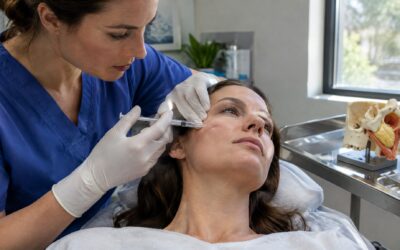
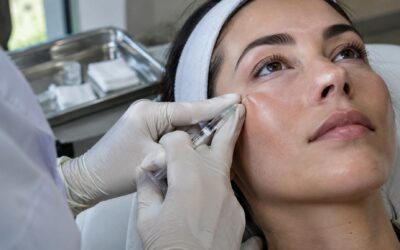
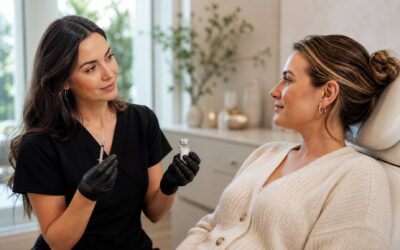
At The Rolling Stone MedSpa, every wrinkle relaxer treatment starts with a full facial assessment by licensed medical staff, who match the specific neuromodulator to your muscle dynamics and your goals. Knowing what happens during a Botox consultation ahead of time takes the edge off and sets realistic expectations for what is a brief procedure. The injections themselves typically take only minutes, using ultrafine needles that most patients describe as tolerable pinpricks rather than anything painful.
Post-Treatment Guidelines for Optimal Results
The same aftercare rules apply no matter which brand you receive, and they’re there to protect your results and prevent complications. Following essential aftercare tips, like avoiding strenuous exercise, heat exposure, and lying flat for several hours, protects your investment and lets the medication settle properly. Be patient: final results build gradually over one to two weeks rather than appearing the moment you leave the clinic.
How closely you follow post-care instructions has a direct effect on how long your results last.
Finding Expert Wrinkle Relaxer Treatment Near You
Check credentials before you book, whatever “wrinkle relaxer treatment near me” turns up for you. Look for a facility staffed by licensed medical professionals with current training in facial anatomy and emergency protocols, not a venue offering suspiciously low prices or a rushed appointment. Facility standards, like proper storage, sterilization, and record-keeping, are what separate a legitimate medical spa from an unregulated operator cutting corners on patient safety for the sake of margin.
The Rolling Stone MedSpa offers expert injectable care in Bonita Springs, with a team dedicated to personalized neuromodulator consultations. We prioritize education and an honest assessment over upselling, so you leave knowing which option truly serves your goals. Book a consultation and we’ll evaluate your candidacy and recommend the formulation most likely to give you the refreshed look you’re after.
Frequently Asked Questions
Does anti-wrinkle mean Botox?
Anti-wrinkle is a general descriptive term that can refer to Botox, but it also encompasses other neuromodulators like Xeomin, Jeuveau, and Dysport. Additionally, topical skincare products and laser treatments sometimes use this phrase in marketing without involving injectables at all. Always check the specific active ingredient or treatment modality being discussed to understand what is actually being offered.
What is a wrinkle relaxer?
A wrinkle relaxer is the medical category name for injectable neuromodulators that temporarily block nerve signals to facial muscles. This includes all FDA-approved botulinum toxin type A products, not just the Botox brand. They work by preventing muscle contractions that create dynamic lines from repeated expressions.
What is the riskiest place for Botox?
Areas near the eyelids, brow elevators, and mouth carry higher risk due to dense nerve networks and small muscle groups where imprecise placement can cause functional issues. Drooping eyelids, asymmetric smiles, or difficulty swallowing typically result from injector error rather than the product itself. This underscores why licensed medical professionals with detailed anatomical training should always perform these treatments.
What I wish I knew before Botox?
Results are not immediate and take up to two weeks to fully develop, so scheduling right before an event is unwise. The treatment is temporary and requires maintenance every three to four months to sustain effects. Most importantly, the injector’s skill matters far more than the brand chosen, making provider selection the most critical decision in your treatment journey.