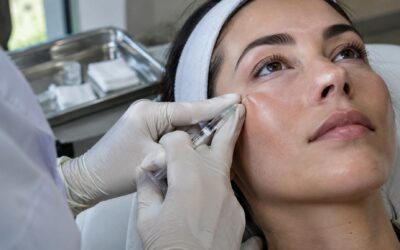
Restoring midface volume calls for a different approach than smoothing fine lines or plumping lips, yet many patients search for facial fillers for cheeks near me without realizing this anatomical distinction. The cheek area is the structural scaffolding of the face, and treating it demands medical precision rather than simple volumizing. At The Rolling Stone MedSpa, licensed medical staff specialize in cheek augmentation filler techniques that address the root causes of aging in the midface safely and effectively.
Why Midface Volume Loss Requires Specialized Cheek Augmentation Filler
You might notice your face looking tired even when you feel rested. That often signals deep structural changes, not surface wrinkles. Midface volume loss involves both fat pad descent and bone resorption, so it needs deeper placement techniques than superficial line fillers do. The goal is structural lift, not surface plumping, which means generic filler approaches designed for other areas can’t adequately restore the foundational support your cheeks need.
Understanding Age-Related Bone and Fat Pad Changes
Facial aging is a three-dimensional process. The underlying skeleton actually shrinks over time while soft tissue compartments shift downward. The maxillary bone recedes and the deep medial fat pad deflates, creating the hollowed look that topical skincare simply can’t reverse. Effective midface volume loss treatment has to target these specific deep planes to re-establish the skeletal framework that supports the overlying skin and prevents further sagging.
How Cheek Fillers Differ from Lip or Under-Eye Treatments
Treating the midface requires products with high lifting capacity and precise deep placement, unlike the softer gels used for lip enhancement or delicate tear trough correction. While you may eventually benefit from tear trough treatment for adjacent concerns, the cheek itself demands structural support that integrates with native bone. Try to lift the midface with lightweight fillers meant for superficial lines, and you risk migration, puffiness, and results that disappoint, because the product simply doesn’t have the rheological properties the job requires.
Best Filler for Cheeks: Matching Product to Your Anatomy
Selecting the best filler for cheeks depends on your bone structure, skin thickness, and desired longevity, not brand popularity. Hyaluronic acid fillers formulated for cheek augmentation typically carry higher G-prime values for lifting capacity, while biostimulatory options work gradually through neocollagenesis over several months. Your provider should recommend a specific formulation based on whether you need immediate structural restoration or progressive collagen rebuilding.
Hyaluronic Acid Options for Immediate Lift
High-density hyaluronic acid fillers give you visible contour improvement right at injection, by physically occupying space and supporting tissue. These products suit you if you want predictable results right away and like the safety net of reversibility if adjustments are needed. Cheek filler longevity varies by product type and individual metabolism: hyaluronic acid options typically last six to eighteen months before gradual integration occurs.
Biostimulatory Fillers for Gradual Collagen Restoration
Biostimulators like Sculptra work differently. They trigger your own collagen production over weeks and months rather than supplying instant volume. If you want to understand the nuances between these categories, comparing biostimulators versus traditional fillers lays out the real differences in onset, duration, and mechanism of action. This approach suits you if you prefer subtle, natural-looking change that develops progressively and, because it comes from genuine tissue remodeling, may persist longer.
Cheek fillers don’t replace surgical facelifts for significant skin laxity or jowling. Expect them to tighten loose skin and you’ll be disappointed.
What to Expect During a Cheek Filler Consultation Near Me
A professional cheek filler consultation near me should always begin with a comprehensive facial assessment before any product discussion. Licensed medical staff conduct thorough facial assessments before recommending treatment plans, so product selection matches your anatomy instead of following a one-size-fits-all protocol. You deserve a provider who evaluates your bone structure, skin quality, and aging pattern before suggesting a single syringe.
Facial Assessment and Customized Treatment Planning
Your injector will examine your face at rest and in motion to identify exactly where volume has been lost and where support is needed. This evaluation determines not just how much product you need, but the precise injection depth and technique for optimal integration. Finding expert injectors for other facial areas follows the same rigorous standard, so if you’ve had excellent care elsewhere, expect that same level of anatomical scrutiny here.
Discussing Realistic Outcomes and Safety Protocols
Honest conversations about what cheek augmentation filler can and can’t achieve protect you from overpromising and underdelivering. Your provider should walk you through potential risks and recovery expectations, and cover safe correction options if needed before you consent to treatment. Reviewing questions to ask before booking any injectable helps make sure your consultation covers safety preparedness alongside aesthetic goals.
Cheek Filler Cost and Value Considerations
Cheek filler cost reflects far more than the price per syringe. It covers provider expertise, product quality, and the complexity of your individual anatomy. Quality midface volume loss treatment puts safety and natural results ahead of the lowest per-syringe price, because fixing improper placement costs far more than doing it right the first time. Your total investment includes the assurance that a licensed medical professional has assessed your suitability and planned your treatment with anatomical precision.
What shapes your final cheek augmentation filler investment: the number of syringes needed for adequate structural support, the specific product chosen for your tissue, and the advanced training your injector brings to deep-plane placement. Transparent pricing discussions during consultation prevent surprises and let you weigh your aesthetic goals against your budget with real numbers in front of you.
Safety First: Choosing Licensed Medical Aesthetics Providers
Your safety depends on verifying that your injector holds current medical licensure and keeps emergency preparedness in place for rare complications. Only licensed medical professionals should administer cheek fillers, because the midface contains critical vascular structures that demand anatomical mastery. Choose an unlicensed provider or a non-medical setting and you’re exposed to real risks: vascular occlusion, infection, permanent disfigurement.
Verifying Credentials and Emergency Preparedness
Confirm your provider’s active nursing or physician license through your state board before scheduling any injectable treatment. Ask directly about their experience with midface injections specifically, their complication management training, and whether they stock hyaluronidase on-site for immediate reversal if needed. These verification steps aren’t optional. They’re what separates responsible medical aesthetics from dangerous shortcuts.
Recognizing Red Flags in Non-Medical Settings
Avoid any establishment offering cheek fillers at suspiciously low prices, refusing to discuss credentials, or pushing you toward excessive volumes without proper assessment. Legitimate medical spas welcome questions about safety protocols and never minimize the seriousness of injectable procedures. If something feels off during your research or consultation, trust that instinct and look elsewhere.
Recovery Timeline and Maintaining Natural-Looking Results
Expect mild swelling and possible bruising for several days after cheek filler treatment, with final results emerging gradually as inflammation resolves. Most patients return to normal activities within forty-eight hours, though it’s worth skipping strenuous exercise and alcohol briefly to keep swelling down. Your provider will give you aftercare instructions tailored to the product used and how your body tends to heal.
Final outcomes become apparent once residual swelling subsides and the filler fully integrates with your native tissue, typically within two to four weeks. Gentle massage as directed, sun protection, and avoiding pressure on the treated area during sleep help keep the filler positioned well and lasting longer. Follow-up appointments let your provider check integration and decide if a minor touch-up would improve symmetry.
Complementary Treatments for Comprehensive Facial Rejuvenation
Cheek fillers often combine with neurotoxins, skin resurfacing, or thread lifts to address several aging concerns at once. Midface restoration forms the foundation, and adjacent treatments can refine overall balance without overtreating any single area. Your provider may suggest complementary approaches during consultation, but cheek augmentation stays the primary focus for restoring structural support.
Frequently Asked Questions About Cheek Fillers
How long do cheek fillers last compared to other facial areas?
Cheek fillers typically last six to eighteen months for hyaluronic acid formulations, though biostimulatory options may provide results that persist longer due to collagen remodeling. Longevity depends on the specific product chosen, your metabolism, and lifestyle factors like sun exposure and smoking. Midface placements often maintain visible results toward the longer end of this range because deeper structural support degrades more slowly than superficial lip or line fillers.
Which is better for midface volume loss, Botox or dermal fillers?
Dermal fillers restore lost volume and structural support in the cheeks, while Botox relaxes dynamic muscles that cause expression lines. These treatments address completely different aging mechanisms and are often combined for comprehensive rejuvenation rather than chosen as alternatives. For midface volume loss specifically, fillers are the appropriate choice because neuromodulators cannot replace depleted bone or fat pads.
Is there an age limit for getting cheek fillers?
There is no upper age limit for cheek fillers; candidacy depends on your health status, skin condition, and realistic expectations rather than chronological age. Older patients may require more product or complementary treatments to address advanced volume loss, but many achieve excellent results well into their seventies and beyond. A thorough medical assessment during consultation determines whether cheek augmentation is safe and appropriate for your individual situation.
How much does a typical cheek filler treatment cost?
Total cheek filler cost varies based on the number of syringes needed for adequate structural support, the specific product selected, and your provider’s expertise level. Most midface treatments require multiple syringes to achieve balanced, natural-looking restoration rather than minimal enhancement. Request a personalized quote during consultation after your facial assessment, as accurate pricing requires understanding your unique anatomy and treatment goals.