Walking into a medspa for your first neurotoxin treatment can feel intimidating, especially when you’re unsure what to expect or how to put your aesthetic goals into words. Finding the best medspa for first-time Botox patients means finding a provider who values your comfort and education as much as the clinical outcome. Your initial experience sets the foundation for every future treatment. Choosing a clinic that favors a gentle, conservative approach is what builds long-term confidence in your results.
Why First-Timer Experience Matters When Choosing a Provider
Not every licensed injector has the patience and communication style it takes to guide someone through their first neurotoxin appointment. You deserve a provider who treats your nerves about Botox as a valid response that calls for reassurance, not a rushed schedule.
The Difference Between Technical Skill and Beginner Empathy
Technical skill with a needle is the baseline for any aesthetic provider. Real expertise with beginners means reading patient anxiety and responding to it. Medical aestheticians widely hold that first-time patients do best with conservative dosing that keeps natural movement intact rather than erasing wrinkles entirely. A provider experienced with newcomers knows an aggressive first treatment can overwhelm a new patient, while a subtler introduction lets you adjust to the changes gradually and build trust in the process. Patient satisfaction in aesthetic medicine tracks closely with how much empathy a patient feels from their provider and how much time gets spent on education during that first visit, bedside manner is a clinical metric here, not just a courtesy.
How Gentle Injectors Tailor Dosing for New Patients
A gentle Botox injector treats your face as its own case, not a standard template based on age or gender. They typically start with fewer units than they might use on a seasoned patient, because it’s always possible to add more at a follow-up but impossible to undo an overcorrection right away. This conservative approach protects you from looking frozen while letting your facial muscles keep their expressive range. Our licensed medical staff runs thorough intake assessments to catch contraindications and build treatment plans around each client’s comfort level and aesthetic goals, so safety stays ahead of volume.
Signs You Have Found a Gentle Botox Injector
Finding the right provider means watching specific behaviors during your early interactions, not just reading marketing claims on a website. Look for real evidence of unhurried care and clear communication before you ever sit in the treatment chair.
Unhurried Consultations Without Pressure
A consultation for Botox for beginners should never feel like a sales pitch or a rushed formality. The best providers set aside dedicated time just for discussion, so you can voice concerns without watching the clock or feeling like you’re in the way of their next appointment. If a clinic tries to upsell extra services before addressing your actual worries, or rushes through your medical history, it’s probably not the right fit for a cautious first-timer. Trust gets built in these quiet moments of listening, not in how fast the transaction moves.
Transparent Communication About Risks and Results
Honesty about side effects and realistic timelines is what separates a medical professional from a service vendor. A quality injector explains facial anatomy in plain language, naming exactly which muscles they plan to treat and why, instead of leaning on vague promises of rejuvenation. They’ll also tell you what the treatment doesn’t do. Botox can’t replace lost volume, tighten sagging skin, or erase static wrinkles etched deep into the skin without additional therapies. Saying so upfront is a sign of integrity, and it means you walk into treatment with expectations grounded in biology rather than filtered photos.
What Happens During Your New Patient Botox Consultation
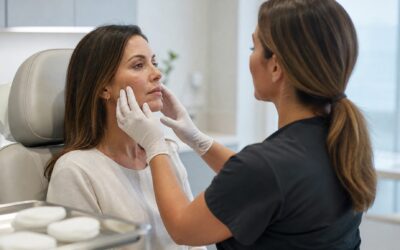
Your new patient Botox consultation is a planning session built to match your vision with what’s anatomically possible. The appointment is, at its core, about establishing safety and shared understanding before any product gets drawn up.
Assessing Facial Movement and Goals
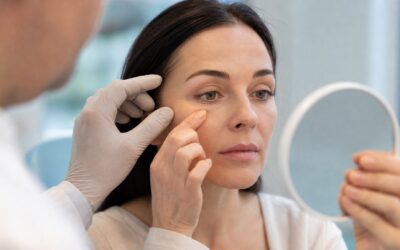
A thorough new patient consultation typically includes dynamic facial mapping while you animate, so injection sites match your individual muscle patterns instead of a template. Your provider will ask you to frown, raise your eyebrows, and squint, watching how your specific muscles work at rest and in motion. This active assessment heads off problems like brow ptosis by catching compensatory muscle patterns a static photo would miss. You take an active role here too, pointing out areas of concern while the provider walks you through how different facial zones relate to each other mechanically.
Creating a Customized Treatment Plan
After the physical assessment, your provider turns those observations into a dosing plan built around your stated comfort level and budget. For more on this process, our detailed consultation guide lays out exactly how we structure these planning sessions. The plan should spell out specific unit estimates, targeted areas, and a clear reason why certain zones are recommended now or held off for a future visit. You leave this consultation knowing exactly what will happen during treatment, which takes the fear of the unknown off the table.
First Time Botox Tips for a Comfortable Appointment
Preparation shapes both your physical comfort and your state of mind during the injection process. A few proactive steps before arrival help you manage sensation and cut down on minor complications like bruising.
Preparing Your Skin and Mindset Before Arrival
Skip blood thinners like alcohol, ibuprofen, fish oil, and vitamin E for at least twenty-four hours before your appointment to lower bruising risk. Arriving well hydrated makes veins less prominent and skin more resilient; eating a light meal beforehand keeps you from feeling lightheaded during the procedure. Mentally, it helps to admit your anxiety is normal and tell your provider about it when you arrive, rather than trying to appear unbothered. These practical first time Botox tips build a physical baseline that supports a smoother appointment overall.
Managing Sensation During the Injection Process
The injection itself takes only minutes. Most patients describe the sensation as a brief pinch, more like a mosquito bite than sharp pain. Topical numbing cream and ice packs are standard at reputable clinics for anyone anxious about needles. A gentle injector talks you through each step, warns you before contact, and pauses immediately if you need a moment to reset. Breathing slowly and deliberately during the process relaxes facial tension, which, oddly enough, makes the injections feel less intense.
Botox for Beginners: Understanding Results and Aftercare
Knowing the real timeline for results heads off unnecessary panic in the days after your first treatment. Good aftercare makes sure the product settles correctly and delivers the effect you’re expecting.
Realistic Timelines for Onset and Peak Effect
Neurotoxins don’t work instantly, and expecting immediate change is the most common source of beginner anxiety. You may notice some softening within three to five days, but full results typically take ten to fourteen days to show completely. That gradual onset actually works in a first-timer’s favor, since it gives you time to adapt psychologically instead of facing a sudden transformation. Patience matters here, and reaching out to your provider before the two-week mark is usually premature unless something unexpected comes up.
Essential Aftercare Rules for Optimal Outcomes
Post-treatment care is simple but not optional if you want safety and good results. Skip strenuous exercise, heavy heat exposure, and lying flat for at least four hours after injection, so the product doesn’t migrate into muscles it wasn’t meant for. Don’t massage or rub treated areas for twenty-four hours; pressure can displace the neurotoxin and cause asymmetry or eyelid drooping. Following comprehensive aftercare instructions from your clinic protects your investment and keeps complication risk low.
Common Questions from Nervous First-Timers
Fear of looking frozen, or of the pain itself, sits at the top of nearly every beginner’s mind before trying neurotoxins. Modern micro-dosing has largely done away with the expressionless mask look tied to early-era treatments, so natural movement survives alongside softened lines. Starting conservatively means you keep your full expressive range while still seeing visible refreshment, and adjustments are always possible at your two-week follow-up if you want more. Pain management has come a long way too: ultra-fine needles and distraction techniques make the procedure manageable even for people with real needle phobia.
Booking Your First Botox Appointment with Confidence
Taking the final step means checking that the clinic genuinely welcomes nervous beginners. When you call, ask how they approach first-timers specifically, including whether they offer standalone consultations apart from treatment days. Reviewing questions to ask before booking can help you vet providers efficiently and spot red flags during that first phone call. Scheduling a consultation-only visit first lets you meet the injector, get a feel for the environment, and build rapport without any pressure to treat that same day. When you’re ready to explore your options with a team that puts your comfort first, you can schedule your Botox consultation and start the process with expert guidance.
Frequently Asked Questions
How should I prepare for my first Botox appointment?
Stop taking blood thinners like ibuprofen, fish oil, and vitamin E at least 24 hours before your visit to reduce bruising risk. Eat a light meal and hydrate well beforehand to prevent lightheadedness during the procedure. Arrive with clean skin free of makeup so your provider can accurately assess your facial anatomy.
What happens to your face after 10 years of Botox?
Long-term use typically results in sustained wrinkle prevention and softer expression lines compared to untreated peers. Muscles may become conditioned to move less forcefully over time, meaning some patients eventually require fewer units to maintain results. There is no evidence that consistent, properly administered neurotoxin causes premature aging or permanent muscle damage.
Is tipping expected for Botox at a medical spa?
Tipping policies vary significantly between practices depending on whether the injector is a physician, nurse practitioner, or registered nurse. Many medical offices consider neurotoxin injections a medical procedure where tipping is inappropriate or prohibited, unlike traditional spa services. Always check the clinic’s specific policy beforehand or ask discreetly at checkout to avoid awkwardness.
How much should good Botox cost for a first-timer?
Pricing depends on the number of units needed for your specific anatomy and goals, which varies widely among individuals. Most first-timers require fewer units due to conservative dosing strategies, making initial treatments less expensive than maintenance for seasoned patients. Prioritize provider expertise and safety protocols over the lowest per-unit price, as correction of poor work costs far more than doing it right initially.