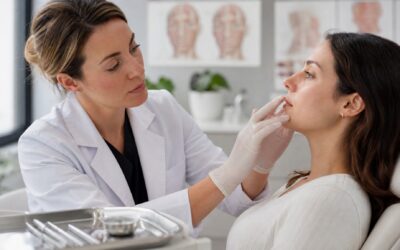
Walking into a treatment room should feel like stepping into a space built around your skin, not a menu of relaxation services. When you’re weighing a medical grade facial against a spa facial, the real difference has nothing to do with ambiance or the price on the brochure. You’re choosing between two different approaches to skincare: one aimed at clinical correction, the other at cosmetic maintenance. Knowing which is which means your money goes toward a treatment that actually addresses your concern instead of masking it for a weekend.
Defining Medical Grade Facials Versus Traditional Spa Treatments
The difference starts with who’s holding the device and what governs the products they put on your face. Medical grade facials use pharmaceutical-grade ingredients at higher concentrations of active compounds, regulated for efficacy and safety. Cosmetic-grade products used in spas are limited to surface-level benefits. A spa esthetician works within strict limits to avoid irritation. A medical provider, by contrast, can use stronger formulations that drive measurable biological change under supervision.
Clinical Supervision and Licensed Providers
Your safety depends on who’s performing the treatment and how they were trained. At The Rolling Stone MedSpa, licensed medical professionals administer every facial treatment, and each one starts with a skin assessment to make sure the protocol fits your health history and your goals. That oversight lets your provider adjust intensity in real time, matching the treatment to how your skin is actually responding, something an unregulated setting can’t offer.
Pharmaceutical-Grade Product Formulations
Medical aesthetics products meet standards for purity and concentration that over-the-counter alternatives never have to meet. These formulations use smaller molecules built to get past the skin barrier and act on living tissue. Spa products, by comparison, often rely on larger molecules that sit on top of the stratum corneum for a pleasant feel. You get active ingredients at therapeutic levels. That’s what turns the facial from a pampering session into a targeted treatment for an actual skin problem.
Depth of Treatment: Epidermis Versus Dermis Penetration
Real rejuvenation means reaching the layers where collagen and elastin live, not just polishing the surface. Clinical protocols often use medical-grade chemical peels or microneedling that reach the reticular dermis, triggering a wound-healing response. Over a series of treatments, that produces measurable collagen remodeling. This is the mechanism that separates lasting correction from the short-lived glow of a salon service.
Targeting Specific Skin Concerns at the Cellular Level
Photodamage and scarring need energy or chemistry that reaches the source of the problem. Comparing chemical peels and microneedling shows how medical devices create controlled micro-injuries or chemical exfoliation deep enough to trigger fibroblast activity and new tissue growth. Surface treatments never breach the basement membrane, so they can’t send that signal. The skin feels smooth right after, but the underlying structure hasn’t changed.
Why Surface-Level Treatments Have Limited Impact
A spa facial hydrates well and plumps the skin temporarily, but it doesn’t restructure damaged tissue. Because the effect stays in the epidermis, any gain in texture or tone fades once those top layers shed naturally within days. If your goal is to change how your skin ages or correct pigment, surface-level care alone will eventually disappoint you, since the results never compound.
Comparing Results: Long-Term Rejuvenation Versus Temporary Relaxation
Think of a clinical facial as a cumulative therapy, not a one-off event. Professional medical facials typically call for a series of three to six sessions, spaced four weeks apart, to get full cellular turnover and visible correction of hyperpigmentation or texture problems. That timing lines up with your skin’s natural cycle, so each treatment builds on the last in a way a single monthly spa visit can’t match.
Cumulative Benefits of Clinical Skin Therapies
Consistency in a medical setting pays off because each session targets damage the last one exposed. A spa facial resets your skin to baseline. A medical facial pushes that baseline higher with every appointment, working on causes like excess melanin production or collagen breakdown. Over months, that shifts skin quality in ways a maintenance-only routine can’t touch, which is what makes the spending fundamentally different from an occasional treat.
Managing Expectations for Downtime and Recovery
Effectiveness sometimes comes with a short recovery period that spa treatments skip entirely. You might see redness, peeling, or sensitivity for a few days after a deeper medical peel or laser-assisted facial. That’s a sign of active remodeling, not a bad reaction. It’s a trade-off worth weighing when you schedule: a few days of lying low against results that outlast the weekend.
Customized Protocols for Acne, Aging, and Hyperpigmentation
Medical providers don’t run off a fixed menu. They build a protocol around your skin and how it responds. A plan for rosacea looks nothing like one for melasma, and your provider adjusts acid strength, device settings, and post-care as your skin reacts in real time. That’s what lets sensitive skin get real treatment without the barrier damage a rigid spa menu often causes.
Integrating Facials with Injectables and Laser Therapies
One real advantage of a medspa is treating everything under one roof. Your provider might pair a HydraFacial for acne scars with neuromodulators or laser resurfacing, working on texture and dynamic lines at the same time. That coordinated approach avoids the disjointed results you get when injectables come from one clinic and facials from another with nobody comparing notes.
Prescription-Strength Actives Versus Over-the-Counter Alternatives
The products used in your medical facial are often part of a larger plan that follows you home. Providers can prescribe or recommend clinical-strength topicals, available only through professional channels, that keep the momentum going between appointments. Skip that guidance and you risk undoing an expensive in-office treatment with a drugstore product that can’t hold the changes it started.
Safety Standards and Provider Qualifications in Medical Aesthetics
Trust here comes from credentials you can verify, not marketing copy or decor. Medical aestheticians and nurses in regulated facilities train extensively in anatomy, physiology, and how to manage complications, well beyond what standard esthetics licensing requires. That training matters most when something goes wrong: a medically trained provider can recognize and handle an adverse reaction on the spot instead of sending you elsewhere while time passes.
Regulated facilities also follow strict sterilization and documentation protocols that protect you from infection and protect the clinic from liability. Every product lot is tracked, every device calibrated, every consent form current. When you look into questions to ask before booking, ask about medical director oversight and staff licensure before you ask about package deals.
Choosing the Right Professional Facial Treatment for Your Goals
Not every concern needs a medical approach, and being honest about that saves you money. If what you want is stress relief and some surface hydration, a traditional spa facial is a fine, enjoyable choice that doesn’t need clinical oversight. But if you’re treating a diagnosed condition, visible sun damage, or acne that’s resisted everything over the counter, the clinical route is the one that actually moves the needle.
When to Book a MedSpa Consultation
Book a consultation when your routine has plateaued, or when you start noticing changes that makeup can’t hide anymore. A search for a skin rejuvenation facial near you should lead to a provider who looks at your skin type, your medical history, and what’s realistically achievable before recommending anything. That first conversation tells you whether you’re a candidate for advanced treatment or whether a different home routine would serve you better right now.
Evaluating Cost Versus Clinical Value
A medical facial costs more because of the pharmaceutical-grade supplies, specialized equipment, and licensed staff behind it, not because of the decor. When you weigh the cost, factor in how long the results last and how much you’d otherwise spend on products or repeat spa visits that never quite get you there. Medical aesthetic services in Bonita Springs are an investment in outcomes that stick, which tends to make the real cost per result lower than chasing temporary fixes over and over.
Frequently Asked Questions
What exactly is a medical facial?
A medical facial is a clinical skin treatment performed by licensed medical professionals using pharmaceutical-grade products and devices regulated for efficacy. Unlike spa facials focused on relaxation, these treatments target specific dermatological concerns like acne, hyperpigmentation, or aging at the cellular level. They are customized based on medical assessment and often integrated with other aesthetic procedures.
How much should I tip for a $200 medical facial?
Tipping policies vary significantly between traditional spas and medical facilities, as many medspas consider facials medical procedures rather than hospitality services. Some clinics include gratuity in the price or prohibit tipping entirely due to healthcare regulations. Always check the facility’s policy beforehand or ask during booking to avoid awkwardness at checkout.
Which is better for my skin: a regular facial or a HydraFacial?
A HydraFacial is a specific type of medical-grade treatment that combines cleansing, extraction, and infusion of serums using patented technology, making it superior for congestion and hydration compared to basic spa facials. Regular spa facials focus primarily on relaxation and surface maintenance without the same level of technological intervention. Your best option depends on whether you need corrective results or simple pampering.
Are medical grade facials safe for sensitive skin or rosacea?
Yes, when performed by qualified medical professionals who can adjust treatment intensity and select appropriate formulations for reactive skin types. Medical providers can identify contraindications and modify protocols to avoid triggering flare-ups, unlike estheticians who may lack training in managing pathological skin conditions. Always disclose your full skin history during consultation to ensure safe treatment planning.