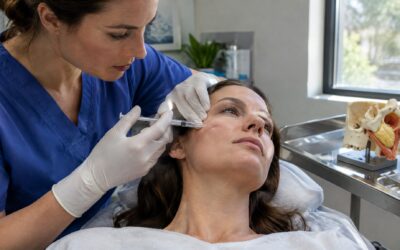
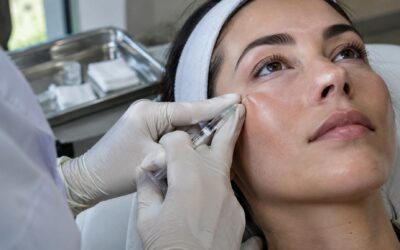
If you have typed “Morpheus8 near me” into a search bar, you are probably noticing early laxity along the jaw, a softer neckline or skin that has lost its smooth texture. You want a result that looks like you, not like a procedure. And you want it done by people who are licensed to do it.
This page explains what RF microneedling does, who it suits, what a consultation covers and what shapes the price. It also covers downtime and how to judge a provider. Treatments at The Rolling Stone MedSpa are performed by licensed medical staff, and that standard is the lens for everything below.
What Morpheus8 RF Microneedling Does for Skin Tightening
RF microneedling combines two actions in one pass. Fine needles create controlled micro-channels in the skin, and radiofrequency energy delivered through those needles warms the tissue beneath the surface.
That heat is the point. Your skin reads it as a signal to repair itself, so it gradually builds new collagen and remodels the structure that keeps skin firm. The tightening you see comes from that rebuilding process, not from the needles alone.
Because the energy reaches deeper layers than a needle-only treatment, RF microneedling is often chosen by people whose main concern is laxity as well as texture. It is a firming treatment, not a face-reshaping one.
How It Differs From Standard Microneedling, PRP and Thread Lifts
Standard microneedling relies on the micro-channels alone. The skin’s healing response smooths surface texture, which makes it a sensible starting point for scarring and uneven tone. If you are still weighing resurfacing options, this comparison of chemical peel or microneedling shows where each one fits.
PRP microneedling adds a layer of your own platelet-rich plasma to the needling step. The aim is to support healing and glow. It does not add radiofrequency heat, so it works through a different route than RF.
Thread lifts are mechanical. A provider places dissolvable PDO threads under the skin to lift and support tissue, which suits a different kind of sagging. You can read how non-surgical thread lift options compare with surgery to see the contrast.
RF microneedling does not lift tissue into a new position. It tightens and refines the skin you have by stimulating it from within, and that is a meaningful difference when you are choosing between treatments.
Who Is a Good Candidate for RF Skin Tightening
If you are searching for a skin tightening treatment near me, the typical candidate is an adult with mild to moderate laxity or texture concerns. Think of skin that looks a little slack along the jawline, fine crepey lines, enlarged-looking pores or rough patches that creams have not touched.
Eligibility is not decided by age or by how you feel about your skin. It is decided by a medical history review with a licensed provider, who looks at your health, your medications and your skin before recommending anything.
Some situations are reasons to hold off:
- Pregnancy
- An active skin infection in the treatment area
- An implanted electronic device
- Recent use of isotretinoin
None of these is necessarily permanent, and your provider may suggest revisiting treatment later. Tell the team about everything on your medication list, including anything you stopped recently, because the timing matters.
This treatment is also not for everyone’s main concern. Significant skin excess that hangs or folds, or deep hollowing from lost volume, usually needs a different approach, and an honest provider will tell you so.
The Morpheus8 Consultation: What Happens Before Treatment
A Morpheus8 consultation is where safety and eligibility get settled, before any energy touches your skin. It is also your chance to ask questions without pressure. If you have never had a medspa consult, what a first consultation involves gives a sense of the format, which carries over to this treatment.
What the Provider Reviews Before Any Energy Is Used
Your provider starts with your medical history, because that determines whether RF treatment is safe for you at all. Expect questions about pregnancy, implanted devices, skin conditions, medications and previous cosmetic procedures.
Next comes the skin itself. The provider looks at your skin tone and texture, and asks about any history of pigment change, such as darkening after a sunburn or an old blemish. Pigment history helps the provider judge how your skin is likely to respond and how cautiously to plan.
Then your goals. Do you want a firmer jawline, smoother cheeks, less crepiness on the neck? Be specific, because a clear goal makes it easier to say what is realistic.
How a Personalized Plan and Quote Take Shape
Once the review is done, the provider sets a plan for what RF microneedling can and cannot change. Here is an illustration, not a patient story. Picture a client with mild jawline laxity and textured cheeks. She hears that RF microneedling can address both concerns. She also hears that the hollowness near her temples comes from lost volume, which would call for a different approach, such as Sculptra or filler for volume loss.
That kind of candor is what a good plan looks like. It names the treated areas, the likely number of sessions and any added treatments, and the quote follows from those choices.
Morpheus8 Results: What Changes and When
Results from RF microneedling arrive slowly, and that is normal. The treatment starts a repair process, and collagen takes time to build.
The concerns that tend to respond best are mild to moderate laxity, uneven texture and fine lines. How much change you see depends on your skin type, your age and the concern being treated, so two people having the same session can have different outcomes. We make no before-and-after promises here, and you should be wary of any provider who does.
How Tightening Builds Over the Weeks and Months After Treatment
In the first days, what you see is the skin’s short-term reaction, such as redness and puffiness. That is not the result. As those settle, the skin begins remodeling, and firmness and smoothness improve gradually over the following weeks and months.
Your skin keeps aging after treatment, because collagen production slows with time and sun exposure continues to take its toll. Whether to schedule maintenance is a choice you make with your provider, based on how your skin looks and what you want to keep.
Why Most Plans Involve More Than One Session
Most plans run as a series rather than a single visit. One session starts the process, and further sessions build on it, which is usually gentler on the skin than trying to do everything at once.
Your provider sets the number and spacing of sessions after assessing you in person. Treat any figure quoted before an assessment as a guess.
Morpheus8 Cost: What Shapes the Final Price
We do not publish a dollar figure here, because a generic rate would mislead you. The price of Morpheus8 depends on you, and a number that ignores your face, your goals and your plan is not a real quote.
The Factors That Change Your Final Quote
Four things move the price most:
- Area treated. A small area costs less to treat than the full face and neck.
- Number of sessions. A series costs more than a single visit, though it is also how most plans are built.
- Clinic and provider. Training, medical oversight and the setting all play into what a clinic charges.
- Added treatments. Pairing RF microneedling with another service adds to the total.
If you are comparing options on cost, our guide to microneedling with PRP pricing is a useful reference point. Just remember that PRP microneedling and RF microneedling are different treatments, so the prices are not interchangeable.
Why a Consultation Gives You a Reliable Number
A consultation turns those four variables into one figure that is yours. You see what you are paying for, in writing, before you commit to anything. If a quote looks different from another clinic’s, ask what each includes, because the sessions and areas behind a number often differ more than the number itself.
For an exact quote, book a consultation and bring your questions about the plan.
Treatment Day, Downtime and Aftercare
On the day, your skin is cleansed and your provider walks you through the plan again. Ask which comfort measures the team uses, because the answer should be clear before you start. During treatment you can expect warmth and a sensation of pressure as the device passes over the skin.
Afterward, the skin is typically red, a little swollen and tender, much like mild sunburn. Downtime is usually limited to these temporary effects, though how long they last varies from person to person. You can plan around this by keeping your calendar light for the first few days if you can.
Aftercare is simple but matters. Protect your skin from the sun, because treated skin is more vulnerable to pigment change. Avoid harsh products, such as strong exfoliants and retinoids, until your provider clears the skin to resume them, and follow whatever written instructions you are given.
Common Side Effects and When to Call the Clinic
Redness, swelling, tenderness and a rough or dry feeling are common and fade. Less common effects include pigment changes, prolonged swelling and infection. Pigment changes are one reason your skin tone and history are reviewed in advance.
Call the clinic if you notice:
- Pain that grows worse instead of easing
- Blistering, oozing or pus
- Redness that spreads or deepens after the first few days
- Fever or feeling unwell
- Any change in skin color that concerns you
Do not wait to see if it settles. Early contact makes problems easier to manage.
Finding a Licensed RF Microneedling Provider Near You
When you look for RF microneedling near me, treat the provider as part of the treatment. A device is only as safe as the person using it and the medical oversight behind them. At The Rolling Stone MedSpa, treatments are performed by licensed medical staff, which is the standard you should expect from any clinic you consider.
Check licensing before you book. Ask who will perform your treatment, what their credentials are and who supervises. You can also ask how consultations work and whether a written plan comes with them. For a fuller list, see these questions to ask before booking a medspa.
Questions to Ask Before You Book a Morpheus8 Visit
- Who performs the treatment, and what is their license?
- Is a medical history review part of the consultation?
- What can this treatment realistically change for my concerns, and what can it not?
- How many sessions will my plan likely involve?
- What does the quote include, and what costs extra?
- What aftercare do you give, and who do I call if something worries me?
A clinic that answers these plainly is one you can trust with your skin.
When you are ready, book a consultation with The Rolling Stone MedSpa. You will meet a licensed provider, talk through your goals and leave with a personalized plan and quote.
Frequently asked questions
Can Morpheus8 replace a facelift?
No. RF microneedling tightens and refines skin for mild to moderate laxity, but it does not remove excess skin or reposition tissue. If your concern is significant sagging, a provider will tell you at the consultation that a different option may suit you better.
How long until I see Morpheus8 results?
Early redness and swelling settle within days, but that is not the result. Tightening builds gradually over the weeks and months afterward as collagen remodels, and the pace depends on your skin type, age and the concern being treated.
Is one Morpheus8 session enough?
For most people, no. Plans usually run as a series of sessions, with the number and spacing set by your provider after assessing your skin and goals.
Can I have Morpheus8 if I recently took isotretinoin?
Recent isotretinoin use is a reason to hold off. Pregnancy, active skin infection and an implanted electronic device are also reasons to defer. Your provider decides this in a medical history review, so list every medication, including ones you stopped recently.